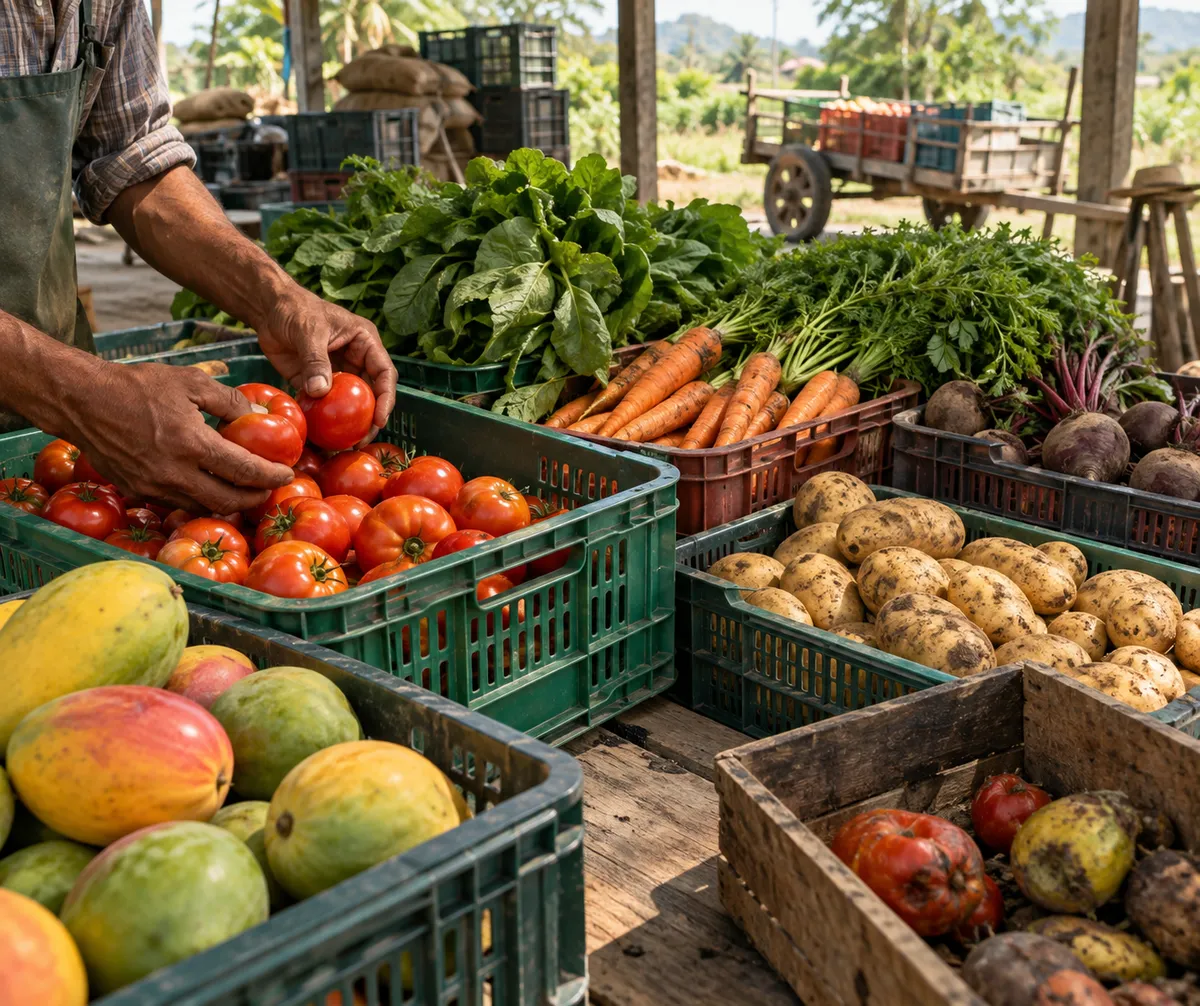
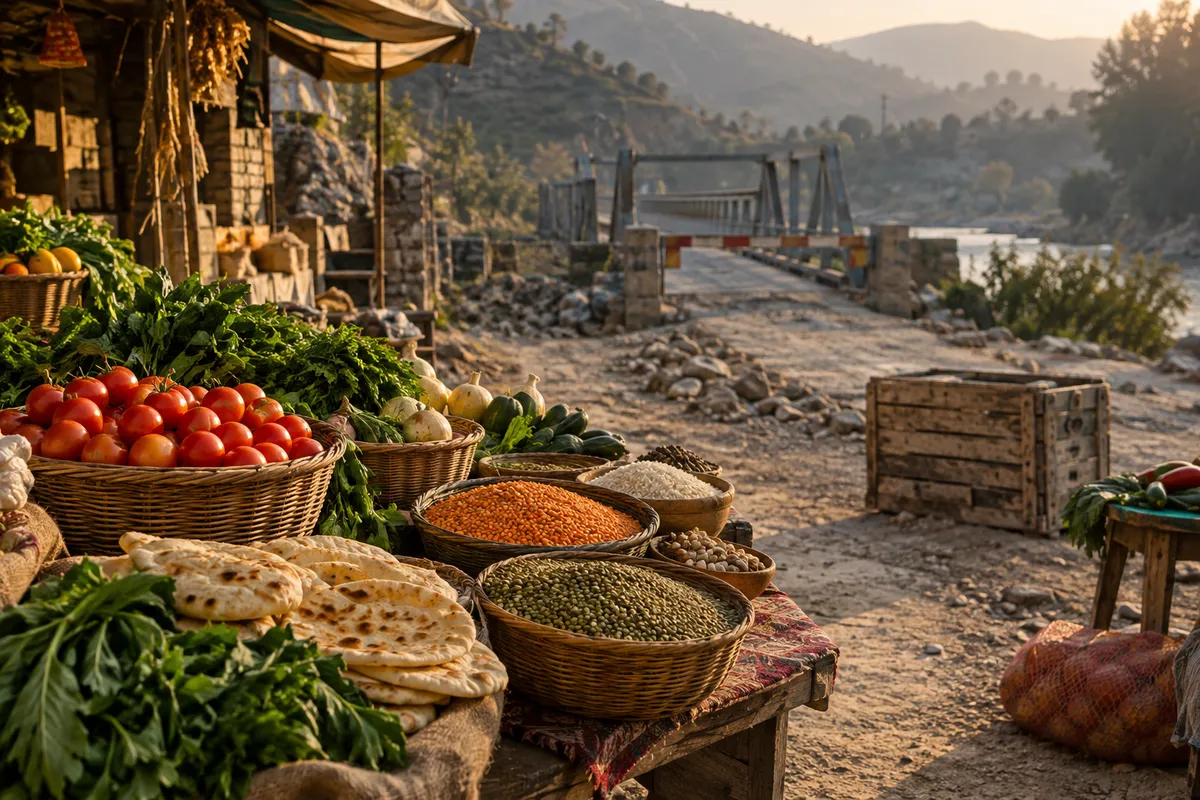
Every dish you love travels a chain before it reaches your table: a field, a trader, a road or port, a market, a kitchen. When that chain breaks somewhere, people go hungry even if the world is growing plenty. By the end of this piece, you will understand why that happens, what a sturdier food system looks like, and how to read the story of a place through what its people can and cannot reliably eat.
The argument comes from a report published by Phys: global food shortages are being driven less by total calorie production and more by localized disruptions from conflict and climate change. Its answer is systemic reform across the agri-food supply chain, from farming and distribution to diets, waste, and emergency support.
Enough calories, uneven access
The key idea in the Phys report is that the problem is not simply "the world needs to produce more food." Shortages are local. A region can lose its harvest, its roads, its markets, or its household incomes while the global total looks fine.
That changes how you think about food. A regional dish is not just a recipe. It depends on specific farms, specific trade routes, and specific prices. Cut any of those and the dish, and the meal behind it, can disappear.
Where conflict and climate collide
Per the report, armed conflicts and climate extremes increasingly overlap, creating hunger hotspots in places such as Sudan, South Sudan, Gaza, Somalia, and other conflict-affected regions.
The two pressures compound each other. Conflict can disrupt farming, distribution, and access to markets. Climate extremes can damage production. When both hit the same place, households have fewer ways to cope.
A feedback loop
The report also describes food insecurity as a feedback loop: instability worsens hunger, and hunger worsens instability. In my reading, that is why one-off aid is rarely enough on its own. The conditions that produce shortages have to be addressed, too.
What reform covers
According to the report, change is needed across the whole chain rather than at a single point. The areas it names are:
- Farming: how food is produced.
- Distribution: how it moves from where it is grown to where it is needed.
- Diets: what people eat.
- Waste: how much food is lost along the way.
- Emergency support: how help reaches people when things break down.
The practical lesson is that resilience is built from many links. A strong harvest does little good if it cannot reach a market, and a good market does little if households cannot afford what is on offer.
What you can do as an eater and traveler
The report is aimed at professionals and executives, so these takeaways are my own translation for everyday readers, not claims from the report.
Notice the supply line
When you eat a regional dish, ask where its main ingredients come from and how they get there. Local markets, farmers, and cooks are often the shortest, most visible links in the chain. Understanding them makes you a more informed guest.
Cut waste in your own kitchen
Waste is one of the areas the report names for reform. At home, that can mean planning meals around what you already have, using scraps in stocks, and storing produce properly. These steps will not solve a global problem, but they are within your reach.
Think about diversity on the plate
The report's angles include the role of plant-based diets in food security. The report detail is limited, so treat this as a starting point: eating a wider range of ingredients, including more plant-based meals, is one way to engage with the question.
Why this is also a geopolitical issue
Because hunger and instability feed each other, food shortages are a security risk as well as a humanitarian one. For travelers and food lovers, that is a reminder that the places we celebrate for their cuisine are shaped by forces well beyond the kitchen.
The takeaway
Next time you sit down to a dish tied to a particular place, trace one ingredient back through the chain that brought it to you, and ask what would happen if one link failed. That habit is where understanding food security begins.