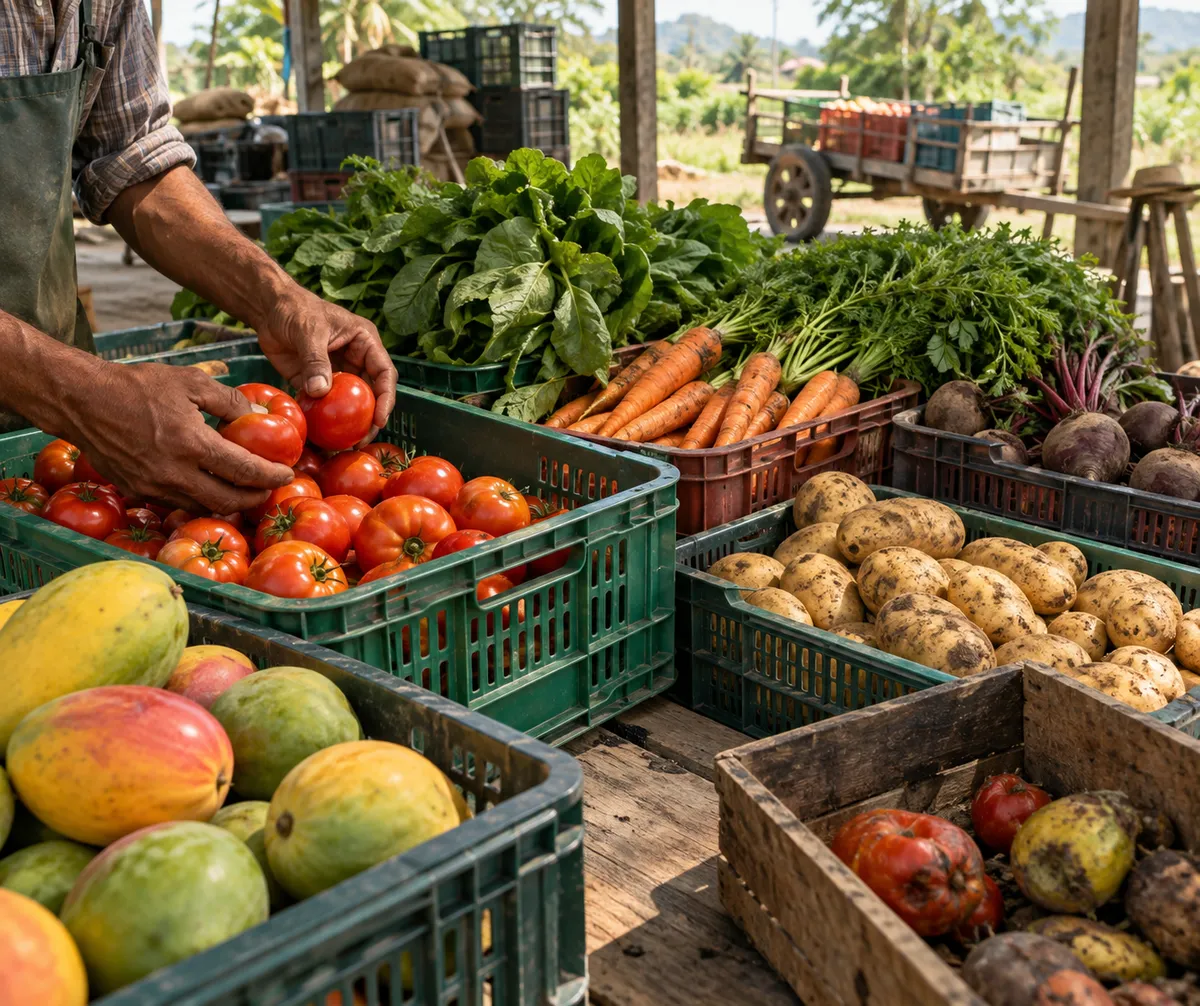
Before a mango becomes a market-stall snack or a sack of grain becomes tomorrow's flatbread, it has to survive a journey. Many crops don't. Per a report on Phys, roughly one-third of food is lost or wasted, and in the Global South a big share of that loss happens after harvest, before food ever reaches a kitchen. This article walks you through where that happens and what actually helps, so you can read a market, a menu or a food label with a clearer sense of what stands behind it.
The Hidden Gap Between Field and Plate
It's easy to picture hunger as a production problem: grow more, feed more. The Phys piece argues that food security depends not only on producing more but on what happens next. If harvests spoil on the way to buyers, extra yield doesn't reach anyone.
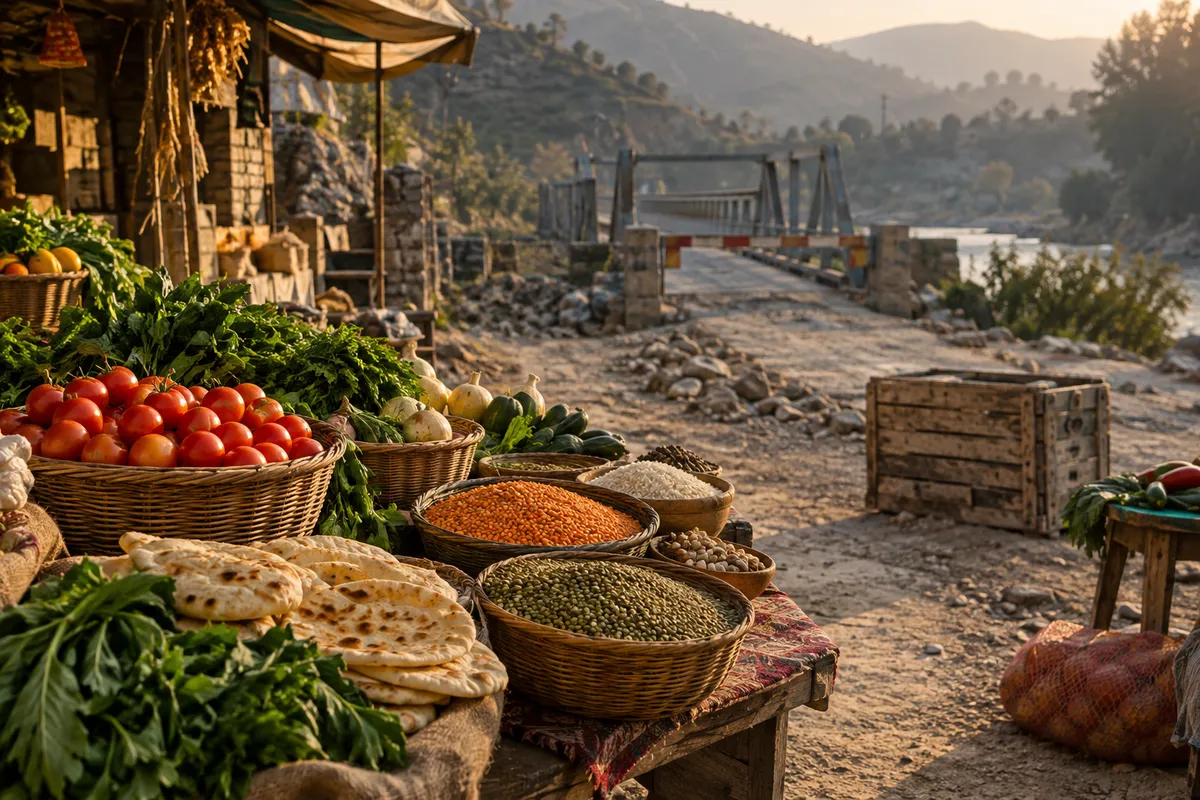
According to the report, postharvest losses in the Global South hit cereals, vegetables, fruits, roots and tubers at high rates when nothing intervenes. That covers a lot of the foods that define regional cooking: the grains, the fresh produce, the cassava and potatoes that anchor a meal.
My take: when you eat somewhere with a strong local food identity, the dish you taste is the survivor of a long chain. Every link in that chain either protects the ingredient or lets it slip away.
Where the Chain Breaks
The article points to several weak spots. Understanding them helps you ask better questions at markets and in food travel.
Storage
Crops that sit in poor storage degrade. Better storage is one of the levers the piece names for cutting losses.
Transport
Getting food from farm to buyer is its own challenge. Per the report, transport is one of the areas that needs improvement, and the associated angles in the coverage highlight poor roads and gaps in cold storage as drivers of waste. Perishables such as fruit and vegetables are especially exposed when the route is slow or uncooled.
Processing
Turning raw crops into something more stable is another way to hold on to value. Processing appears in the article's list of areas to strengthen.
Measurement
You can't fix what you don't count. The piece lists measurement alongside the physical fixes, which suggests that knowing exactly where and how much food is lost is part of solving it.
Finance and support
Equipment and better handling cost money. The article names finance and farmer support as part of the answer, not an afterthought.
Why Simple Fixes Matter
The coverage frames the solution around simple infrastructure and affordable technologies that can save food, raise farmer income and improve climate resilience. The report behind the piece doesn't list specific tools, so I won't invent any here. The point to take away is the scale of the approach: practical, affordable steps in storage and handling, rather than only chasing bigger harvests.
There's a second benefit worth underlining. Food that's saved is food a farmer can sell. Cutting losses can strengthen incomes as well as supply.
Women Farmers Belong in the Plan
One angle in the coverage is that women farmers must be included in postharvest innovation. If new tools and training don't reach the people doing much of the work, they won't reduce losses where it counts. When you see a cooperative or market stall that credits the farmers behind it, that's a useful question to follow up on: who handles the crop after it's picked, and what support do they have?
Why This Is Timely
Per the report, climate change, high food prices and resource constraints are pressuring agriculture. Reducing waste is described as one of the fastest ways to strengthen food systems, and governments and funders are reportedly rethinking food security beyond yield increases alone. Saving a crop that's already grown uses the land, water and labor already spent on it.
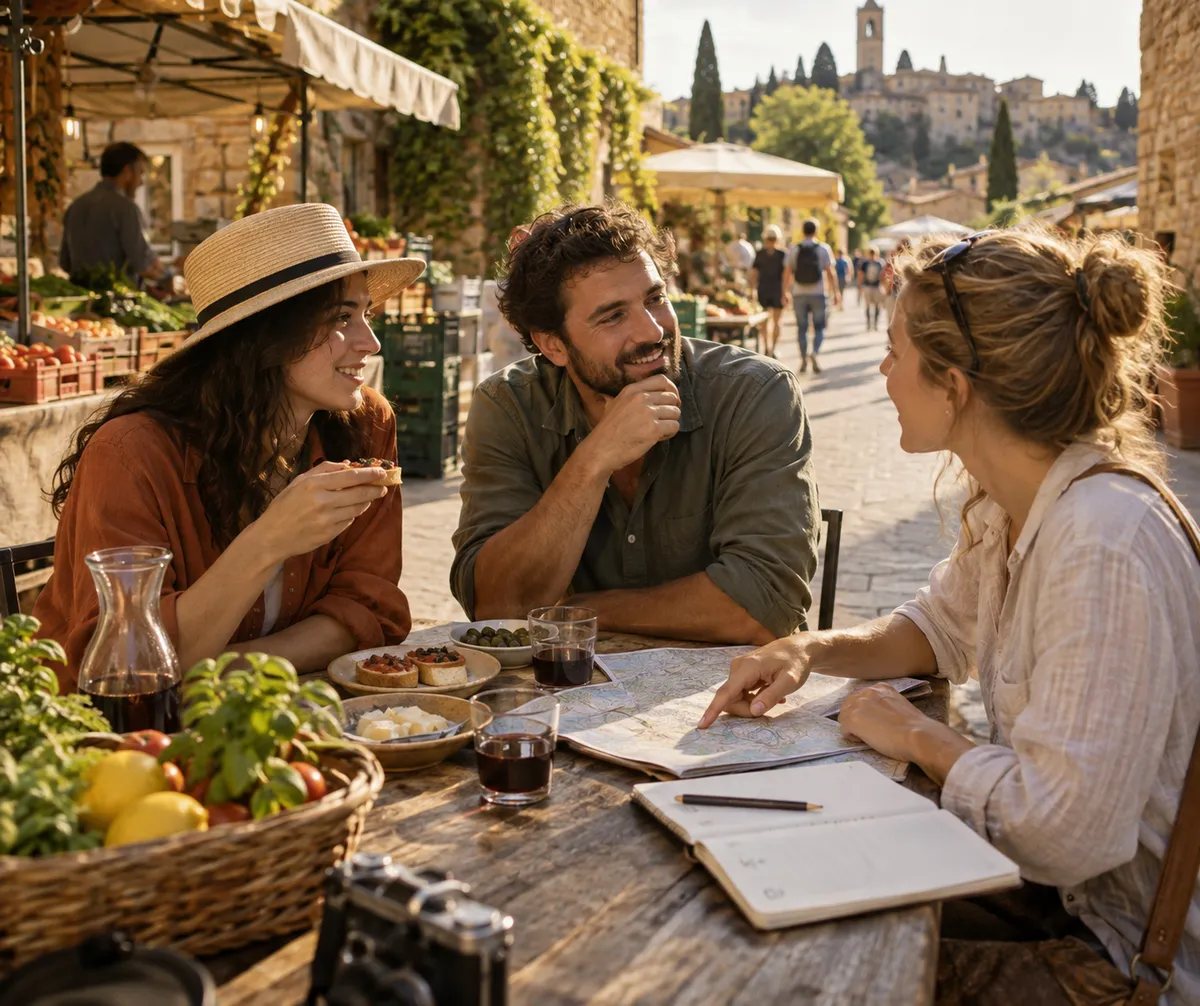
How to Put This Into Practice as a Food Traveler
You can't fix a supply chain on vacation, but you can change how you engage with food and the places it comes from.
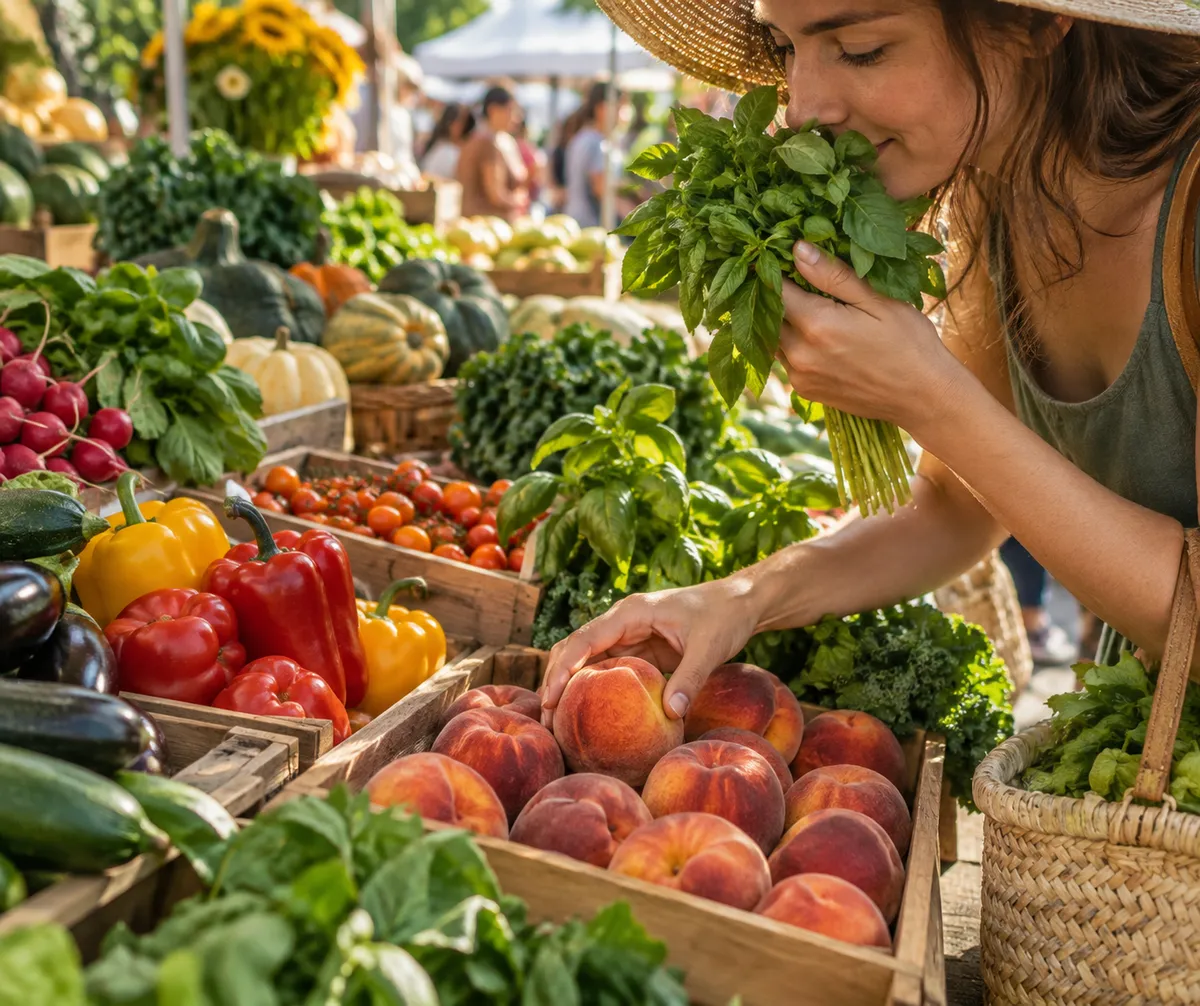
- Ask about the journey. At a market, ask vendors how long produce has traveled and how it's stored. Their answers tell you a lot about local conditions.
- Buy from producers who talk about handling. Cooperatives and growers who explain drying, storing or processing are showing you how they keep food from being wasted.
- Favor processed local staples. Dried, preserved or milled products are often how regions hold on to a harvest, and they make good edible souvenirs.
- Finish what you order. Waste at the table is the last link in the same chain.
- Support farmer-led initiatives. If you want to give, look for programs that include storage, transport and women farmers rather than yield alone.
The Takeaway
Next time a regional dish impresses you, trace it backward: the field, the road, the storage shed, the market. Then spend your money and curiosity on the places that protect that chain, because feeding more people starts with not losing what's already been grown.