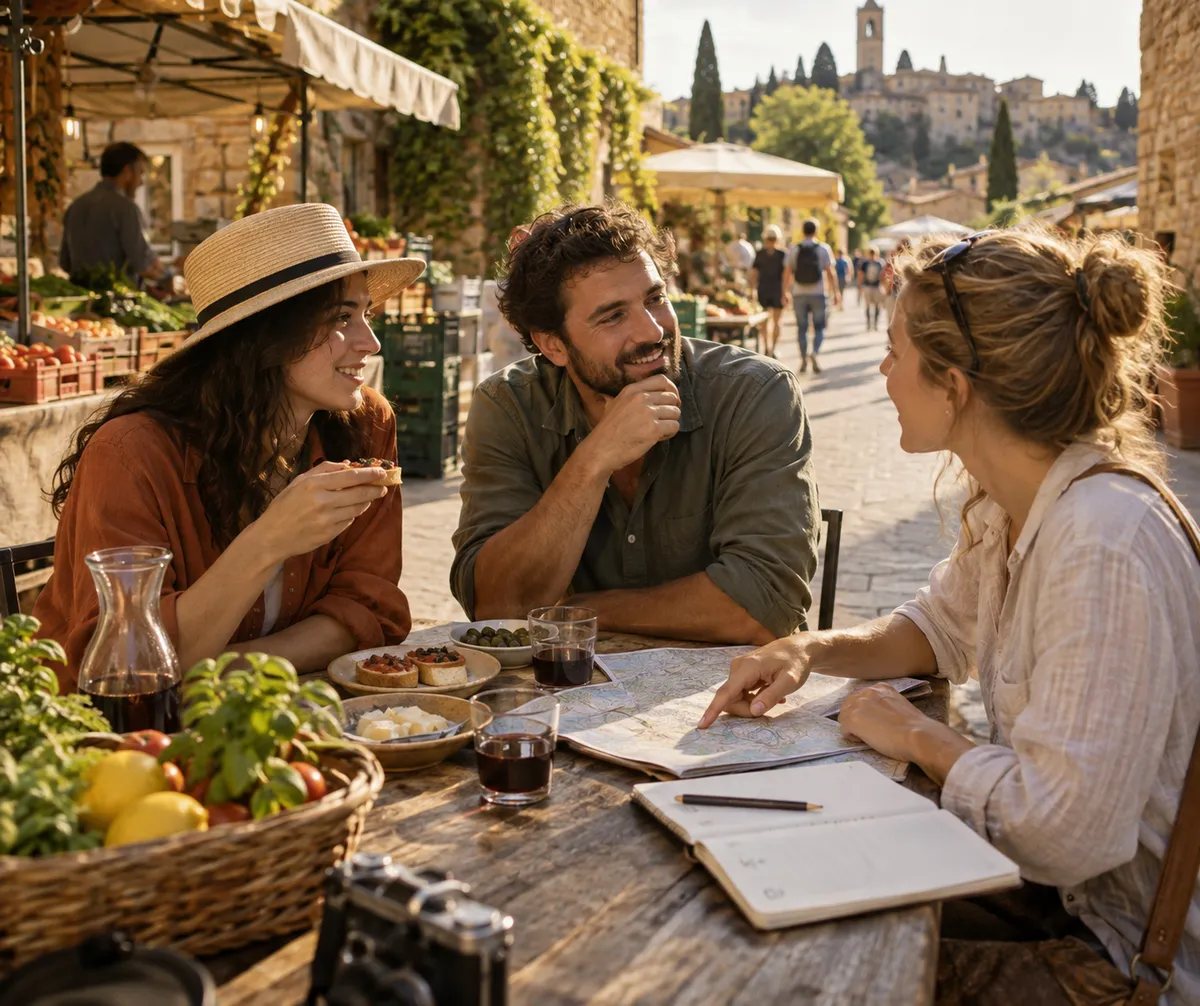
The most common way a food trip goes wrong is not bad restaurants. It is a spreadsheet with three reservations a day, no gaps, and a stomach that gave up at lunch. This guide shows you how to make meals the centerpiece of a trip while keeping enough slack to enjoy them.
The approach comes from a simple idea reported by Napa Valley Register: plan travel around food experiences, from choosing the destination to building an itinerary around local cuisine, markets, restaurants, and regional specialties. What follows is how to turn that idea into a plan you can actually follow.
Start with a dish, not a city
Most people pick a destination, then look for restaurants. Flip it. Pick a regional specialty you are curious about and let it point you to a place. A dish has an origin, and the origin tells you where to go, what to eat alongside it, and which season or neighborhood matters.
Once you have a destination, research three things before you book anything:
- The signature dishes of the region, so you know what to look for on menus.
- The local ingredients behind them, which tell you which markets are worth your time.
- The traditions around eating them, such as whether a dish is a breakfast, a street snack, or a holiday meal.
This small bit of homework changes how you order. You stop pointing at whatever looks familiar and start asking for the thing the place is known for.
Use anchors, not a full schedule
The trick to avoiding over-scheduling is to commit to a few fixed points and leave everything else open. Think of each day as having one anchor.
Anchor options that work
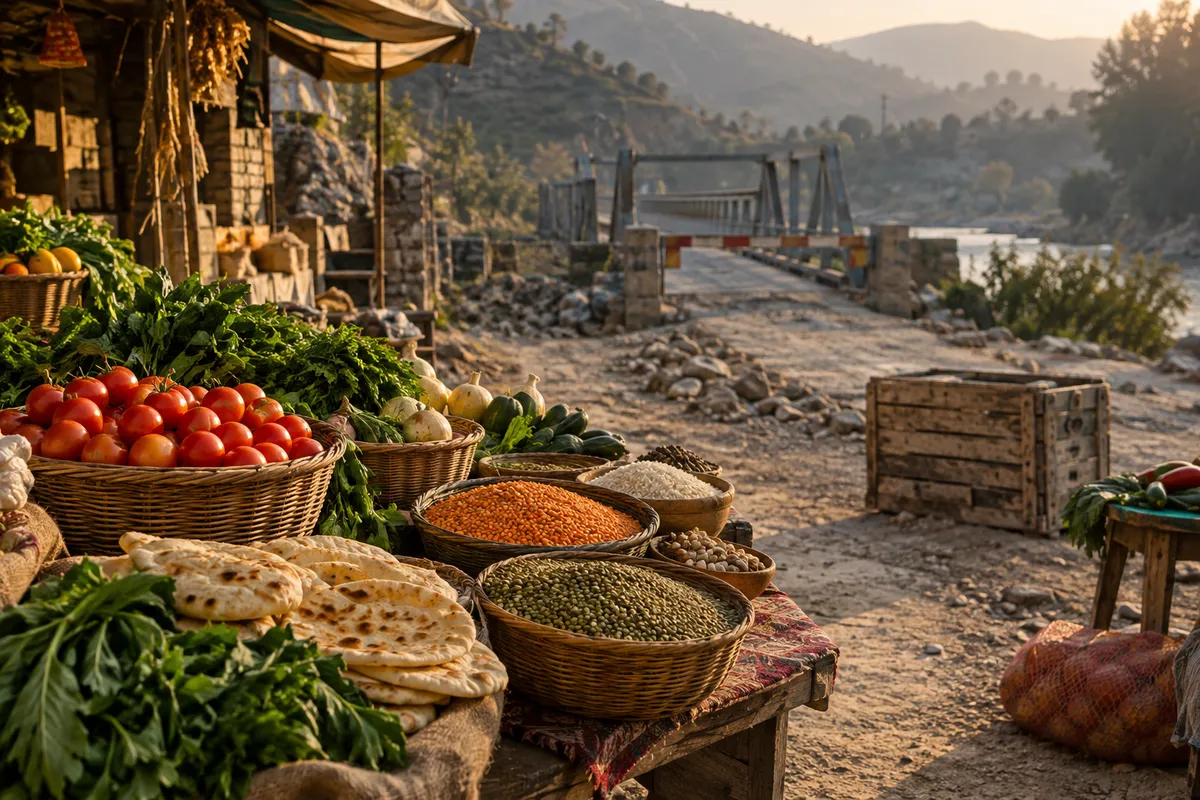
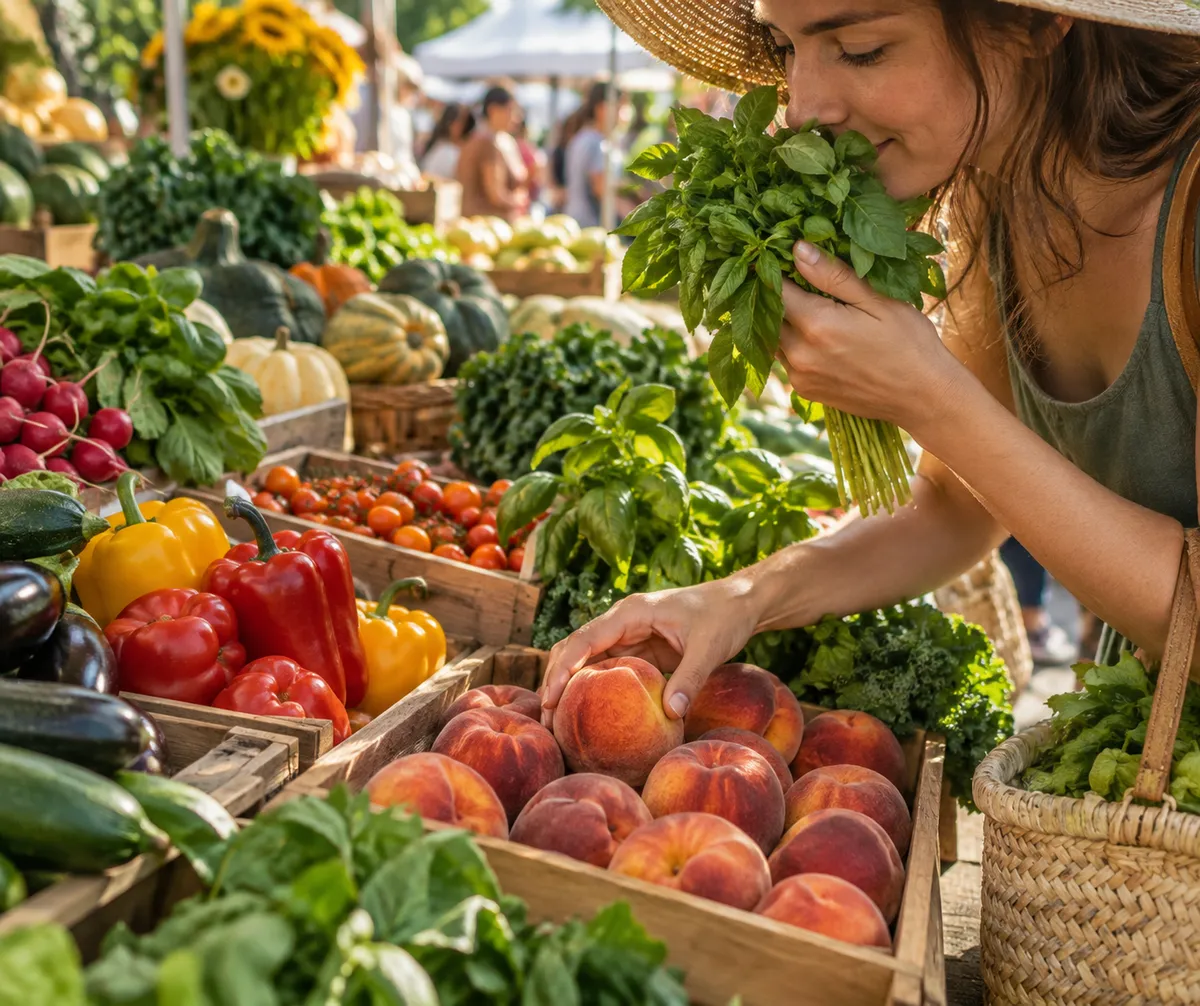
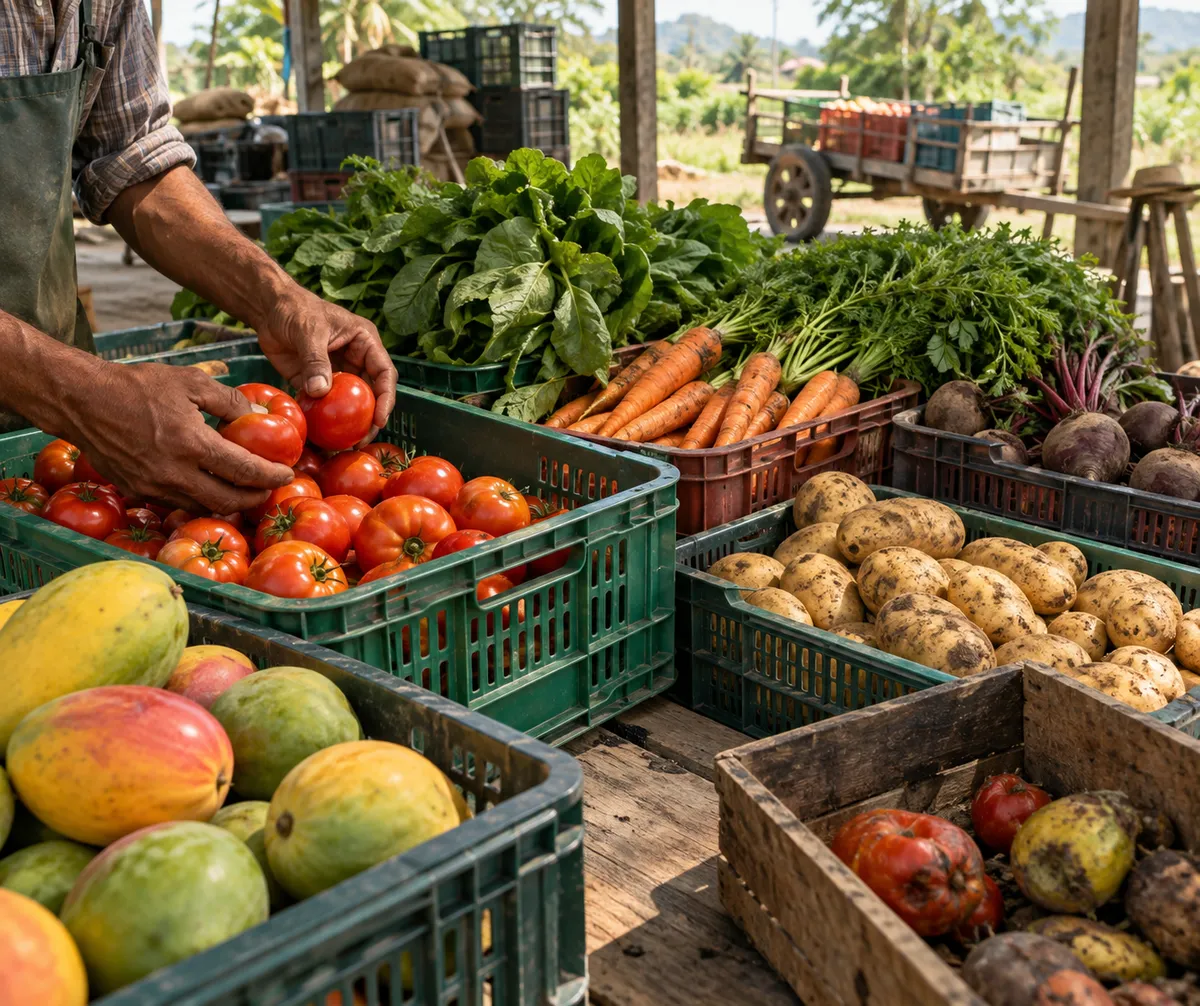
- A food market. Go early, wander without a plan, and graze. Markets show you what is in season and what locals actually buy.
- Street food. It is cheap, fast, and often the purest version of a regional dish. It also fits easily between other plans.
- A cooking class. You learn the technique behind a dish and meet someone who cooks it daily. It works well on a first or second day, since it gives you vocabulary for the rest of the trip.
- One standout restaurant. Book this ahead, since popular tables fill up.
One anchor per day, with a rough idea of where you might eat the other meals, is plenty. The unplanned lunch you stumble into is often the one you remember.
Book the big meal, leave the rest loose
A reservation makes sense for the restaurant you would be genuinely disappointed to miss. Everything else can wait. Booking too much creates two problems: you cannot change course when something better appears, and you eat when the schedule says to, not when you are hungry.
A workable rhythm for a multi-day trip:
- Reserve one or two special meals for the whole trip.
- Pick a market or food street for each remaining day.
- Keep a short list of backup spots near wherever you will be, in case plans shift.
Balance the famous spots with the hidden ones
Iconic restaurants are famous for a reason, and skipping all of them can feel like missing the point. But a trip made only of well-known names turns into a checklist. Mix the two. Visit one famous place, then spend the next meal somewhere unlisted that a local points you to.
Finding authentic local places
There is no single trick, but a few habits help:
- Ask people who live there. A market vendor, a guesthouse host, or a cooking instructor will often give a better answer than a search result.
- Look at who is eating. A place full of locals at an ordinary mealtime is usually a good sign. This is my own rule of thumb rather than a guarantee.
- Notice what the menu focuses on. A short menu built around regional dishes often signals a kitchen that knows what it does well.
Mistakes to avoid when planning
Overbooking. Covered above, but it deserves repeating. Fatigue flattens your appetite and your curiosity.
Ordering only what you recognize. If the menu has a regional specialty you have never heard of, that is probably the reason you came.
Skipping the research. Without knowing the basics of the local cuisine, it is hard to tell a signature dish from a tourist filler.
Treating food as separate from place. The best meals connect to the people who make them and the setting around them. A market visit before a cooking class, for example, shows you where the ingredients come from before you cook with them.
A simple template for each day
If you want something concrete, try this:
- Morning: Market visit or a local breakfast specialty.
- Midday: Street food or an unplanned lunch near where you are.
- Afternoon: Walk, rest, or a cooking class.
- Evening: Your one planned meal, or a loose dinner if it is a lighter day.
Swap the pieces around to suit the destination. The point is a shape, not a script.
Why this kind of trip is worth planning
Per the reporting, culinary tourism is a major travel driver as people look for immersive, local experiences instead of generic sightseeing. That makes sense: a meal is one of the few activities that puts you directly in contact with a place's ingredients, history, and daily life.
Before your next trip, pick one regional dish, find where it comes from, and book exactly one table. Then leave the rest of the days open and let your appetite do the planning.