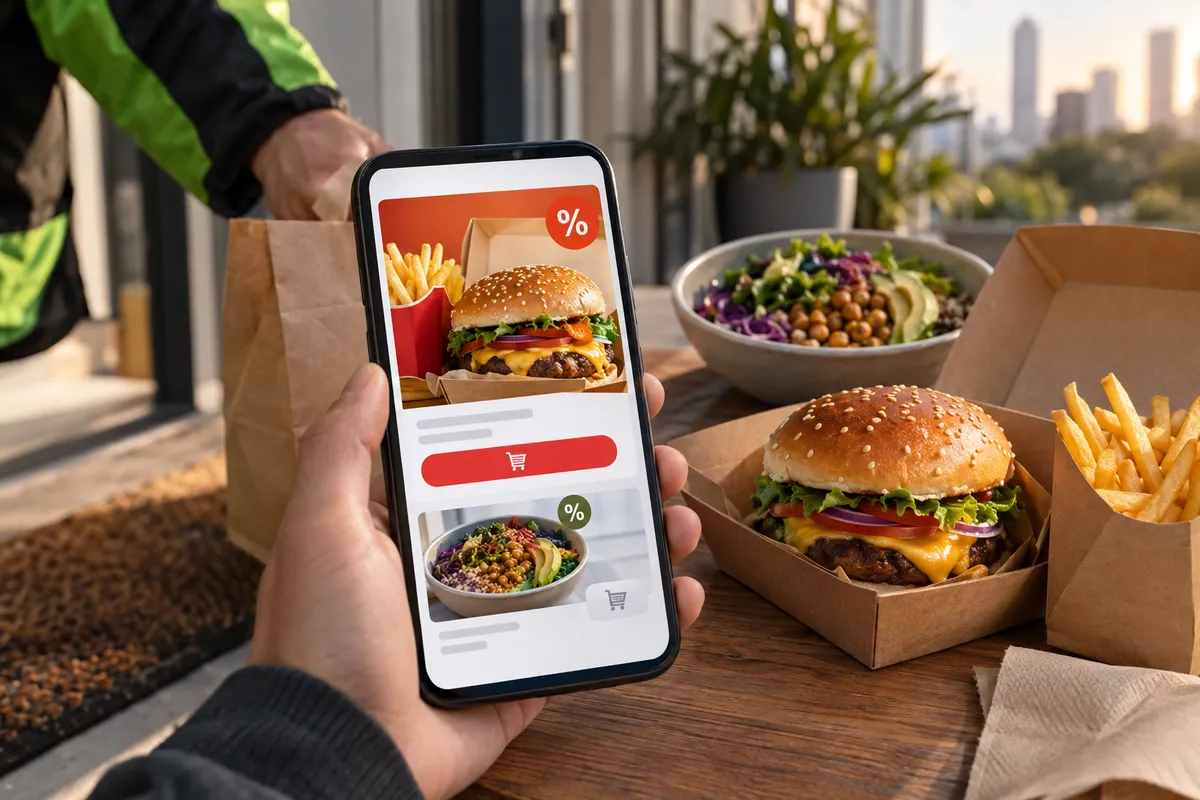
A national Australian study, reported by Medicalxpress, finds that meal delivery apps such as Uber Eats and DoorDash are widely seen as "treat food" platforms. The researchers say deals and app design nudge users toward less healthy choices, and they argue governments should update nutrition policy to cover digital food environments.
That's the headline. The useful part is what you can do with it: by the end of this piece you'll know how to spot the nudges and have a few simple ordering habits that put the food, not the promo, in charge.
What the research says
Per the Medicalxpress report, the study looked at how Australians experience delivery platforms. Two findings stand out:
- People tend to think of these apps as places for treats, not everyday meals.
- Deals and the way the apps are designed push people toward less healthy options.
The researchers want governments to extend nutrition policy to cover these digital spaces. The report notes that Australia is already considering stronger rules on unhealthy food promotion, especially to children, which makes delivery platforms a natural next target.
The report doesn't claim anyone is being tricked against their will. The point is about the environment: if an app frames itself as a treat machine and puts discounts in front of you, the easy choice becomes the less healthy one.
Why a discount makes a choice feel justified
This next part is my analysis, not the study's. A deal changes the question you're asking. Instead of "what do I actually want to eat?" it becomes "is this a good price?" A banner reading two-for-one or free delivery on a big order can make a larger, heavier meal feel like the smart option.
Convenience adds to it. When dinner is a few taps away and you're tired, the first thing the screen offers tends to win.
Knowing this doesn't mean you have to skip the apps. It means you can notice when a promotion is making the decision for you.
Five habits for ordering on your terms
These are practical suggestions drawn from the dynamics the study describes, not findings from it.
1. Decide before you open the app
Pick the dish or cuisine first. Maybe it's a grilled fish plate, a bowl of pho, or a lentil dal. Then search for that. You'll skip the home screen, where promoted items and deals do their work.
2. Search by dish, not by discount
Typing "pho" or "dal" or "souvlaki" gets you closer to regional cooking and the kitchens that specialise in it. Browsing sorted by offers gets you whatever has the biggest promotion.
3. Run the "would I order this at full price?" test
If a meal only appeals because it's discounted, that's the promo talking. If you'd still order it at full price, go ahead and enjoy it.
4. Treat the treat as a treat on purpose
The study says people see these apps as treat platforms. You can work with that rather than against it. Choose a night for the indulgent order, make it the dish you really crave, and don't let a banner schedule it for you.
5. Build the meal, not the minimum
Free delivery thresholds nudge you to add sides and extras. Share a main between two people, add a vegetable-forward side, and accept a delivery fee if the alternative is food you won't finish.
What better app design could look like
The researchers' call is for policy, not personal willpower. They argue that nutrition policy should reach digital food environments. Ideas people often raise, such as health labels or less promotion of unhealthy items, are my speculation rather than recommendations from the report. The report does make clear that the debate is moving: Australia is already weighing stronger rules on unhealthy food promotion, particularly to children.
Until that happens, the interface you see is the one designed to sell, so it helps to bring your own plan.
Go to the source when you can
Food-led travel has a simple antidote to app-driven eating: find the places behind the dishes. Walk to the neighbourhood noodle shop, check what the market stall cooks for lunch, or call the restaurant and ask what they'd recommend. You'll often eat better and the money goes more directly to the cook.
Next time you're hungry, name the dish you want before you pick up your phone. Then order that, not the offer.