Food tourism is increasingly shaping where people travel and how they explore once they arrive, according to a piece from Meer's English edition. Travelers, it says, are prioritizing authentic, local, and experience-led trips, and food fits that appetite neatly.
That shift suggests a useful way to plan: start with what you want to eat, then let the map follow. Here is how to do that, step by step.
Start With One Dish, Not One Destination
Most trip planning begins with a place and ends with a list of sights. Flip it. Pick a dish, an ingredient, or a tradition that intrigues you, and ask where it comes from and who still makes it the traditional way.
A single dish gives your trip a thread. It tells you which region to visit, which markets matter, and which season suits you. It also makes decisions easier: if a stop doesn't connect to the thread, you can skip it without guilt.
Build the Itinerary Around Five Kinds of Stops
The Meer piece points to the places where food travel actually happens: markets, restaurants, street food, farms, and local traditions. Use those as a framework for each day, aiming for a mix rather than five restaurants in a row.
Markets
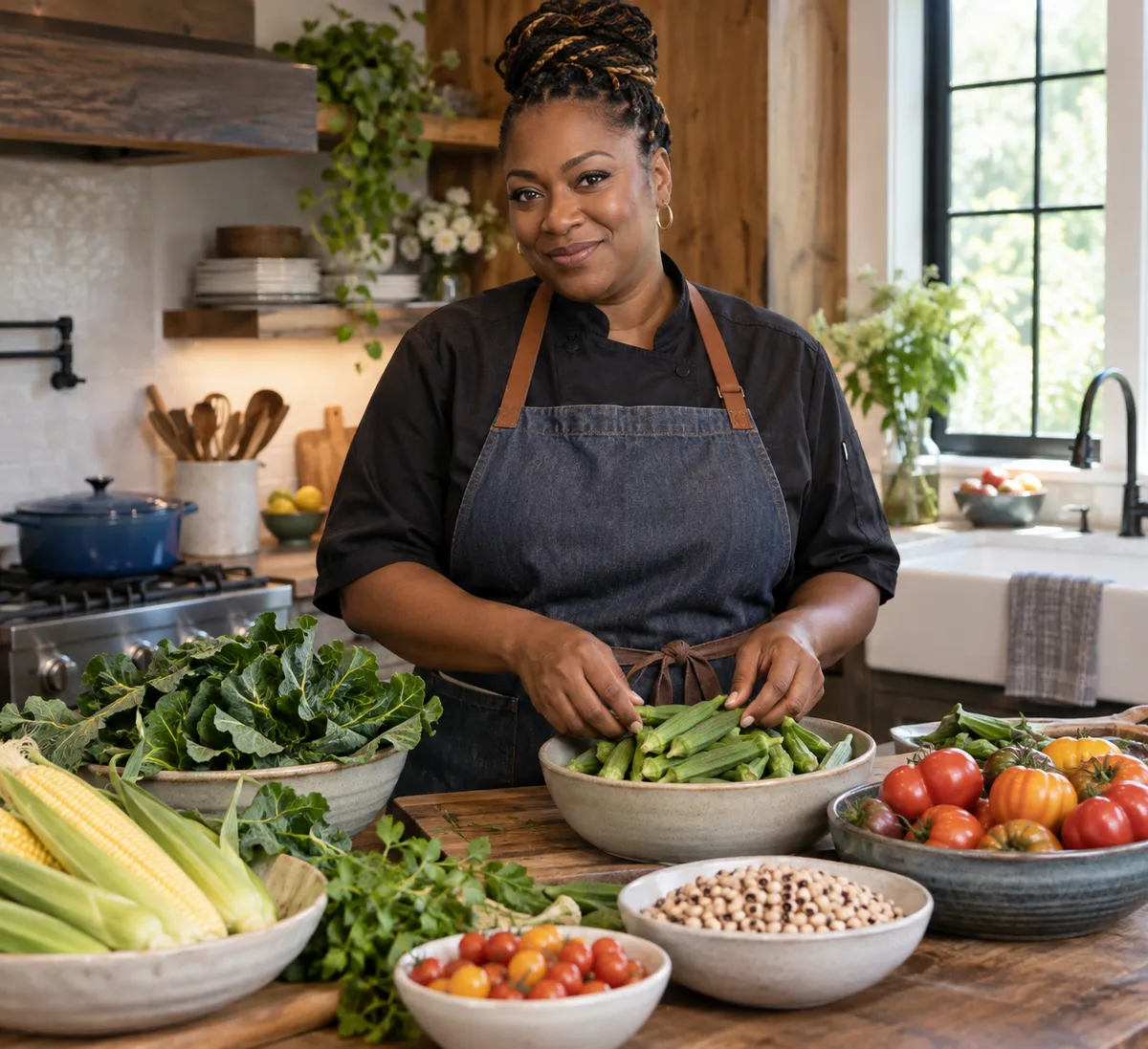
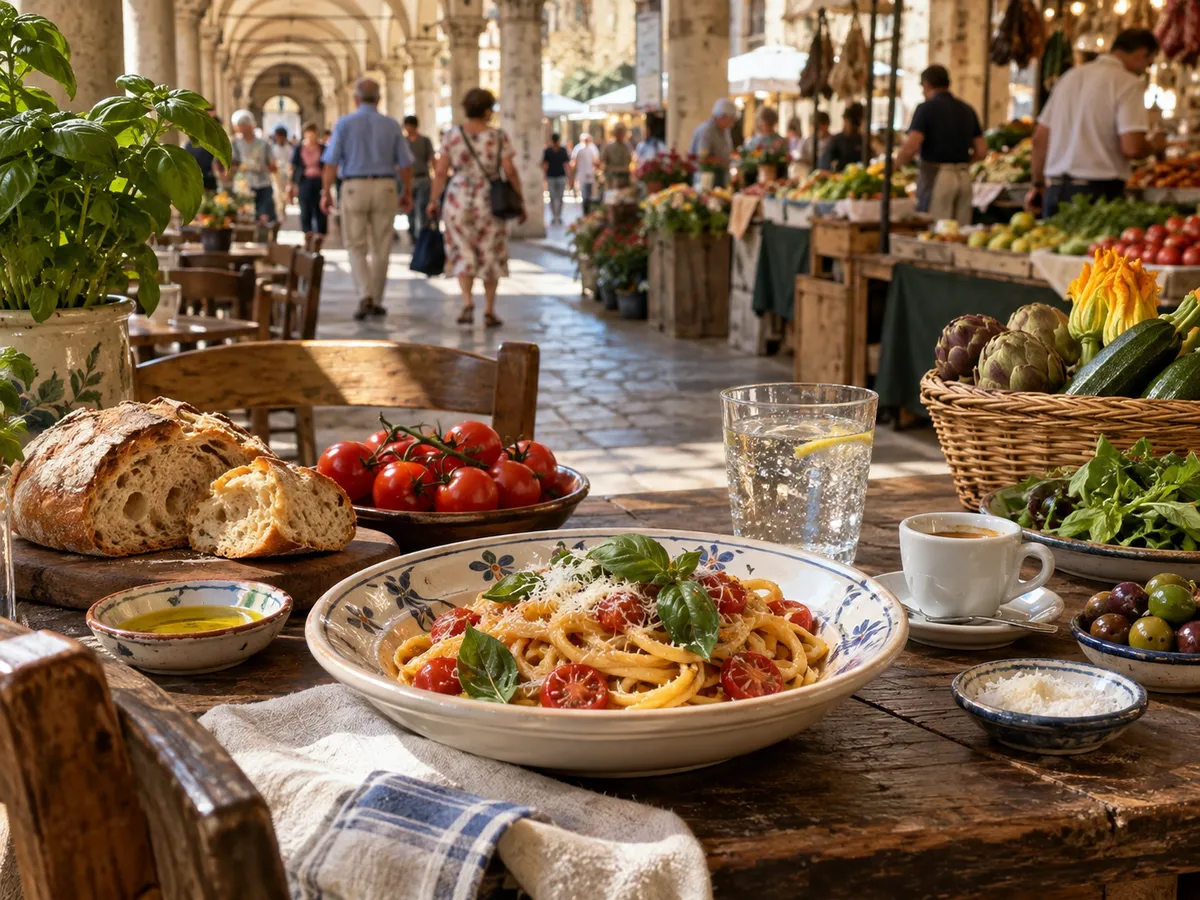
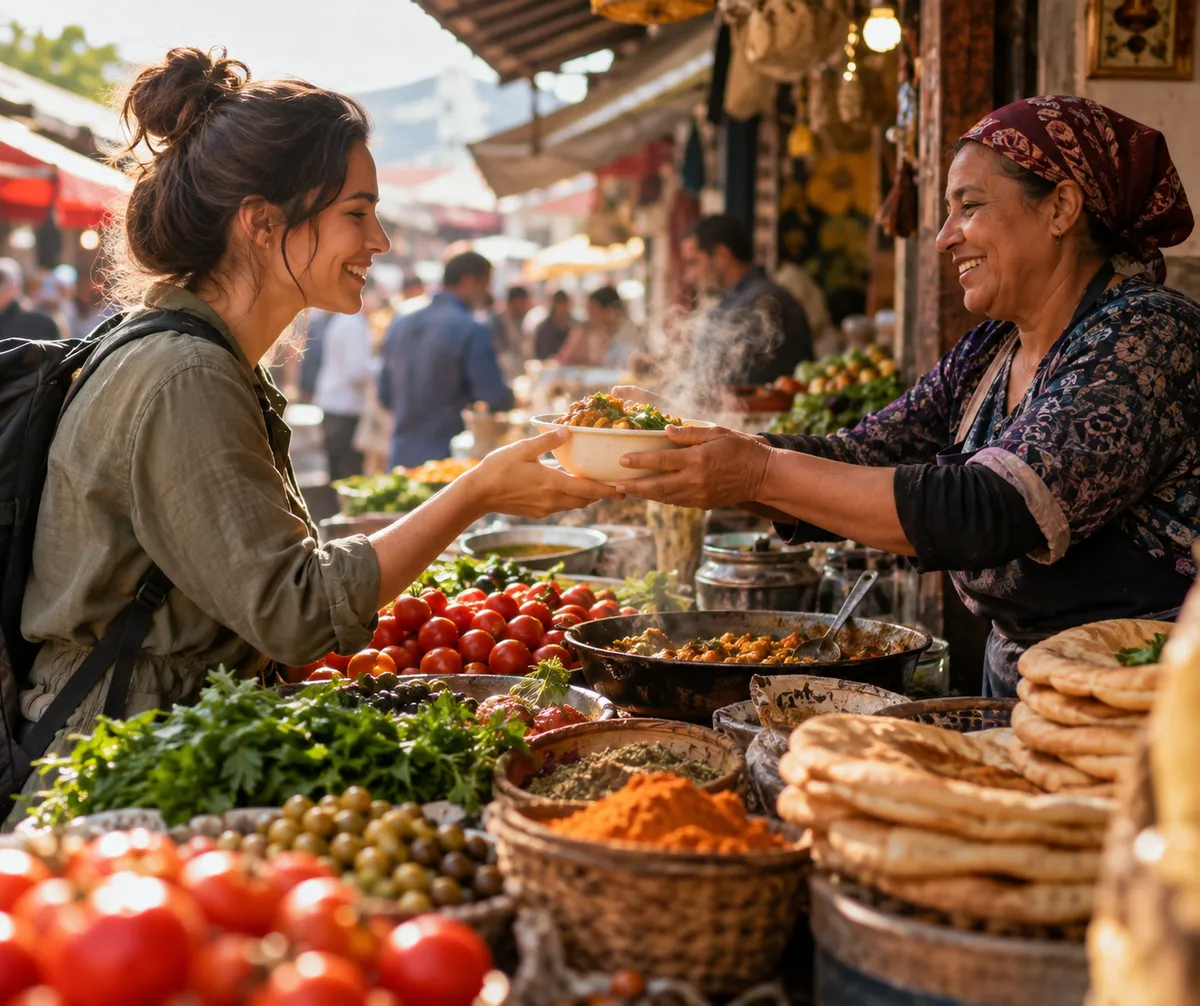
Go early and go without a plan. Markets show you what is local and what is in season. Walk a full loop before buying anything, notice what vendors are selling in volume, and ask what they would cook with it.
Restaurants
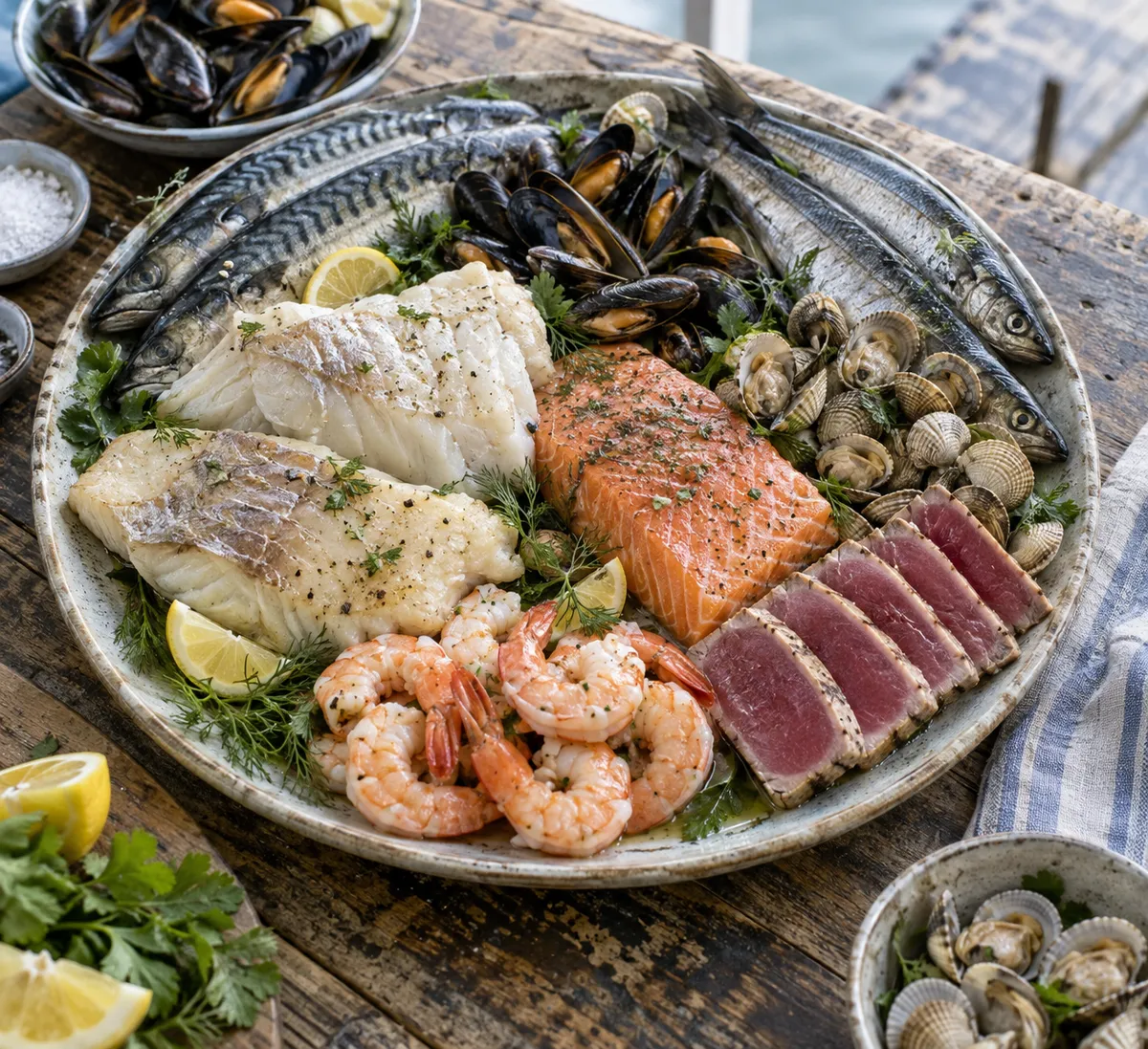
Choose one or two sit-down meals that showcase the regional dish you picked. Pick places where the menu reflects the surrounding area rather than a generic list of greatest hits.
Street food
This is often where everyday cooking lives. Treat it as a progression: small portions at several stands beat one big meal at one stand, because you taste more and spread your spending across more vendors.
Farms
If a farm, producer, or workshop welcomes visitors, add it. Seeing where an ingredient comes from changes how you taste it later at the table.
Local traditions
Food is tied to rituals, seasons, and gatherings. Check whether your dates overlap with a local celebration or a seasonal harvest, and plan around it if you can.
Look for the Experiences Most Tourists Skip
One angle worth taking seriously is the hidden food experience, the thing visitors walk past on the way to the famous spot. The Meer piece does not name specific examples, so here is my own suggestion for finding them rather than a reported list:
- Eat where the market vendors eat, and ask them directly.
- Visit a market on an ordinary weekday, not just the tourist-friendly day.
- Order the regional specialty in a small, unfussy place before you try it in a polished one, so you have a baseline.
- Ask a producer or cook how they make it at home.
These are small moves, but they replace the passive tourist role with a conversation, and conversations are where the good recommendations come from.
Think About Who Benefits From Your Meal
Meer's coverage notes that food is a powerful driver for tourism boards, creators, and hospitality brands. For local communities, that attention can be a real opportunity, though how it plays out depends on where your money goes. That part is my take, not a reported finding.
You can tilt the odds in a good direction:
- Buy directly from vendors and producers when possible.
- Choose independent, locally run places over chains.
- Pay for tours, tastings, and workshops led by people from the community.
- Learn the name and story of what you're eating, and treat it as a tradition rather than a novelty.
A Simple Planning Template
Try this for a three-day trip:
- Pick your thread. One dish or ingredient tied to a region.
- Anchor each day with one food stop. A market in the morning, a farm visit, or a signature meal.
- Leave gaps. Keep afternoons loose for street food and wandering. The best discoveries are rarely scheduled.
- Add one tradition. A festival, a cooking class, or a seasonal event.
- Take notes. Write down what you ate and who told you about it. Those notes become your next trip.
Let Your Appetite Pick the Route
Before you book anything, name the one dish you most want to understand. Then find the place that makes it best, and plan the rest of the trip around getting there hungry.