Forbes recently rounded up where OvationNetwork luxury travel advisors plan to send clients in 2027, and the themes are specific: two sporting events, a wetland most Americans can't find on a map, and a bicultural Alpine region. The full list covers seven destinations, but the pieces we have details on are enough to work with. This article shows you how to take those three themes and turn them into a food-led trip you can start planning now.
A caveat up front: Forbes' summary, as we have it, doesn't name the specific places or say what to eat there. So what follows is a planning method, not a menu. You supply the destination; the method tells you what to look for.
Start With the "Why Now" Hook
Per Forbes, the advisors' picks share a quality: each has a reason to go in 2027 beyond being a bucket-list staple. That's a useful filter for food travel too. A destination with a clear hook gives you a built-in reason to choose dates, and dates shape what's on the plate.
Before you book anything, write down one sentence: why this place, why that month? Then add a second sentence: what is the local table doing at that time? Harvest, market season, festival, or the event itself. If you can answer both, you have a trip. If you can't, keep researching.
Theme 1: Sporting Events, Eaten Around
Forbes highlights two sporting events among the advisors' picks. Big events fill hotels and restaurants, but they also give you a reason to travel to a region you might otherwise skip.
Here is how to eat well around an event:
- Arrive early or stay late. Crowds concentrate around match days. The days before and after are when you can get a table at the places locals actually love.
- Eat away from the venue. Food near stadiums and fan zones tends to be built for volume. Walk 15 to 20 minutes into a residential neighborhood and look for places with short, handwritten menus.
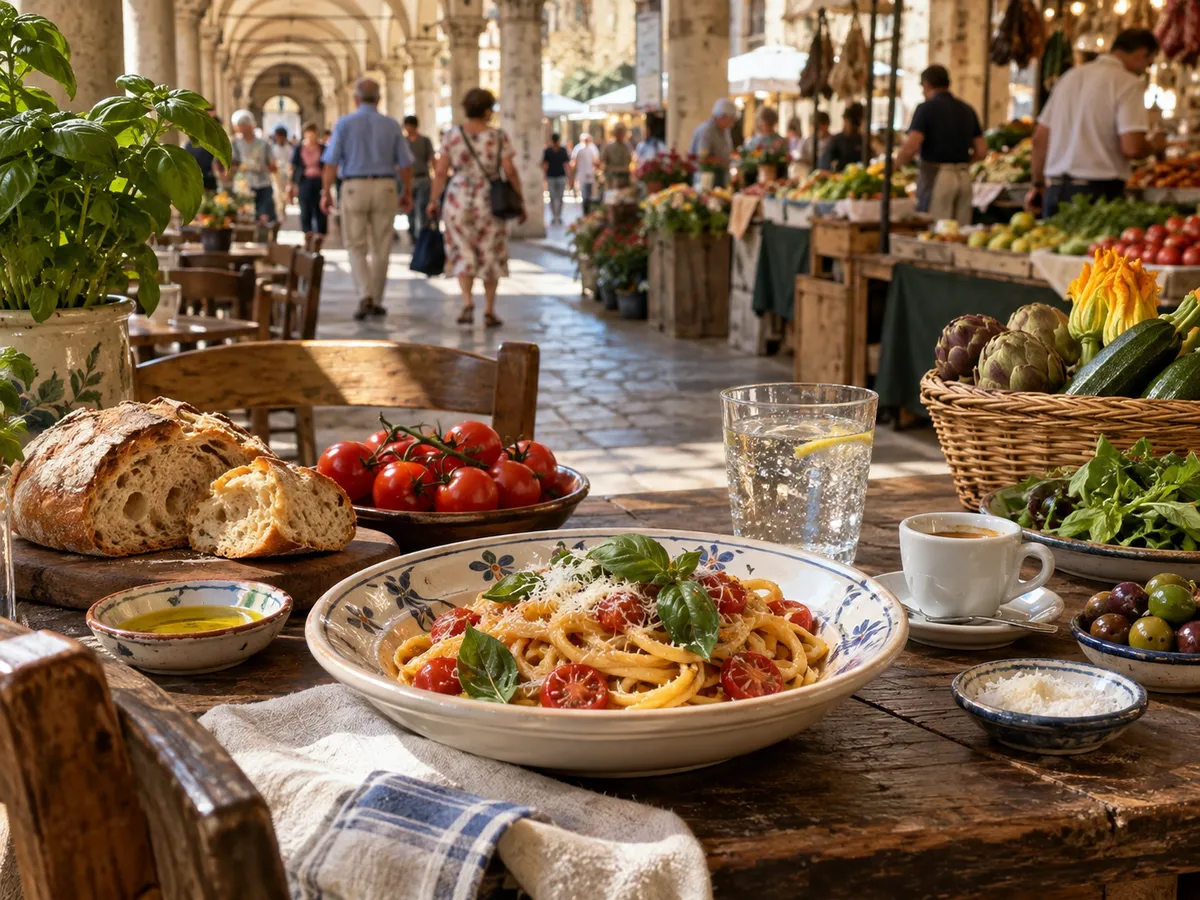
- Visit a market on a non-event morning. A morning market is the fastest way to learn what's in season and what the region is proud of.
- Ask one question everywhere. "What do you cook at home on a day off?" gets you better answers than "What's good here?"
Theme 2: The Overlooked Wetland
The most intriguing item in Forbes' summary is a wetland most Americans can't place on a map. We don't have its name from the source, so we won't guess. But wetlands as a category tell you a lot about food.
Water-edge regions tend to build their cooking around what the landscape provides, so when you research any wetland destination, look for:
- Freshwater or brackish fish and the traditional ways locals prepare them.
- Grains, grasses, or crops grown in flooded or marshy fields.
- Birds, honey, and foraged plants often tied to a specific season.
- Boat-access eateries or village kitchens, which usually require booking a local guide.
Remote places reward planning. Reach out to a local guide or small lodge months ahead and ask whether a meal with a local family or a cook is possible. Often the answer is yes, but only with notice.
Theme 3: A Bicultural Alpine Region
Forbes also points to a bicultural Alpine region. That phrase alone should excite anyone who loves food, because places where two cultures meet often have menus that blend both, sometimes on the same plate.
When you land in a region like this, try the following:
- Order the same category twice. If a village has a dumpling, pasta, or bread tradition from each culture, taste both on the same day and notice where they overlap.
- Read the menu in two languages. The same dish may carry two names. Asking a server why is often an opening to a story.
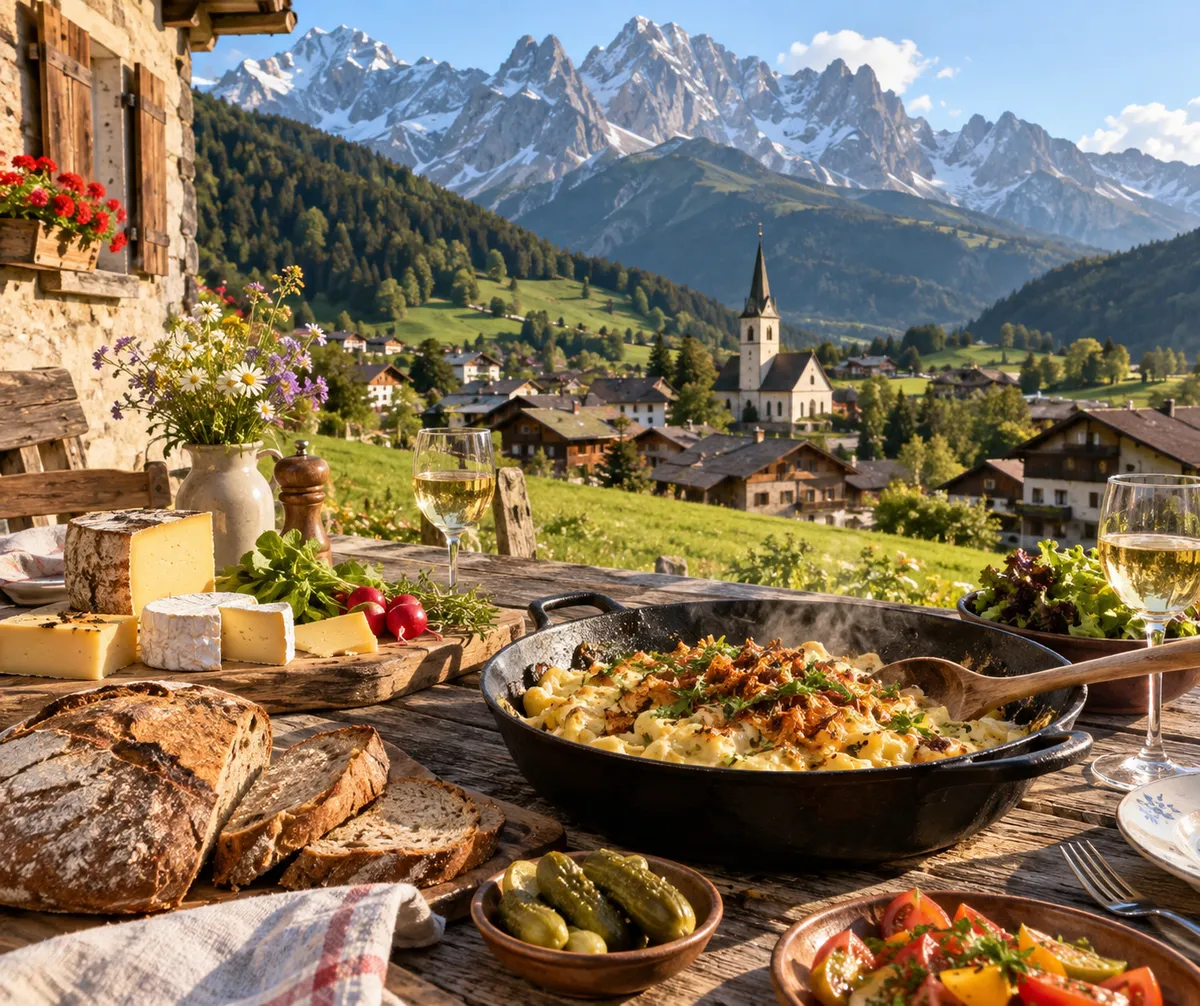
- Go to a mountain hut or farm restaurant. Alpine cooking is shaped by altitude, dairy, and preserved ingredients. Cheese, cured meats, and hearty cooking are common themes across Alpine regions generally, though you should confirm what's local to your specific valley.
- Time it with the season. Alpine tables change sharply between summer pastures and winter.
A Simple 2027 Planning Timeline
Forbes notes that travelers are increasingly planning big trips well ahead. For food-focused travel, that lead time has real payoffs. Use this sequence:
- Now: Pick one theme (event, wetland, or border region) and shortlist two destinations.
- Several months out: Check the local food calendar for harvests, markets, and festivals, and choose dates.
- Before booking flights: Book the hard-to-get things first: guides, small lodges, cooking classes, and any event access.
- Closer to departure: Reserve two or three standout meals and leave the rest open for wandering.
What to Pack for a Food-Led Trip
- A small notebook for dish names, since you'll want to find them again.
- Cash for market stalls and village kitchens.
- A few phrases in the local language, especially "What do you recommend?" and "What is this?"
- A flexible stomach schedule. Eat a big meal at midday when restaurants often offer their best value, and keep dinners lighter.
The Takeaway
The advisors' picks tell you where people will be going in 2027. The food tells you why it was worth the trip. Choose your destination for the hook, then spend your first morning in a market and ask someone what they cook at home.
Source: Forbes, reporting on OvationNetwork advisors' 2027 picks.