
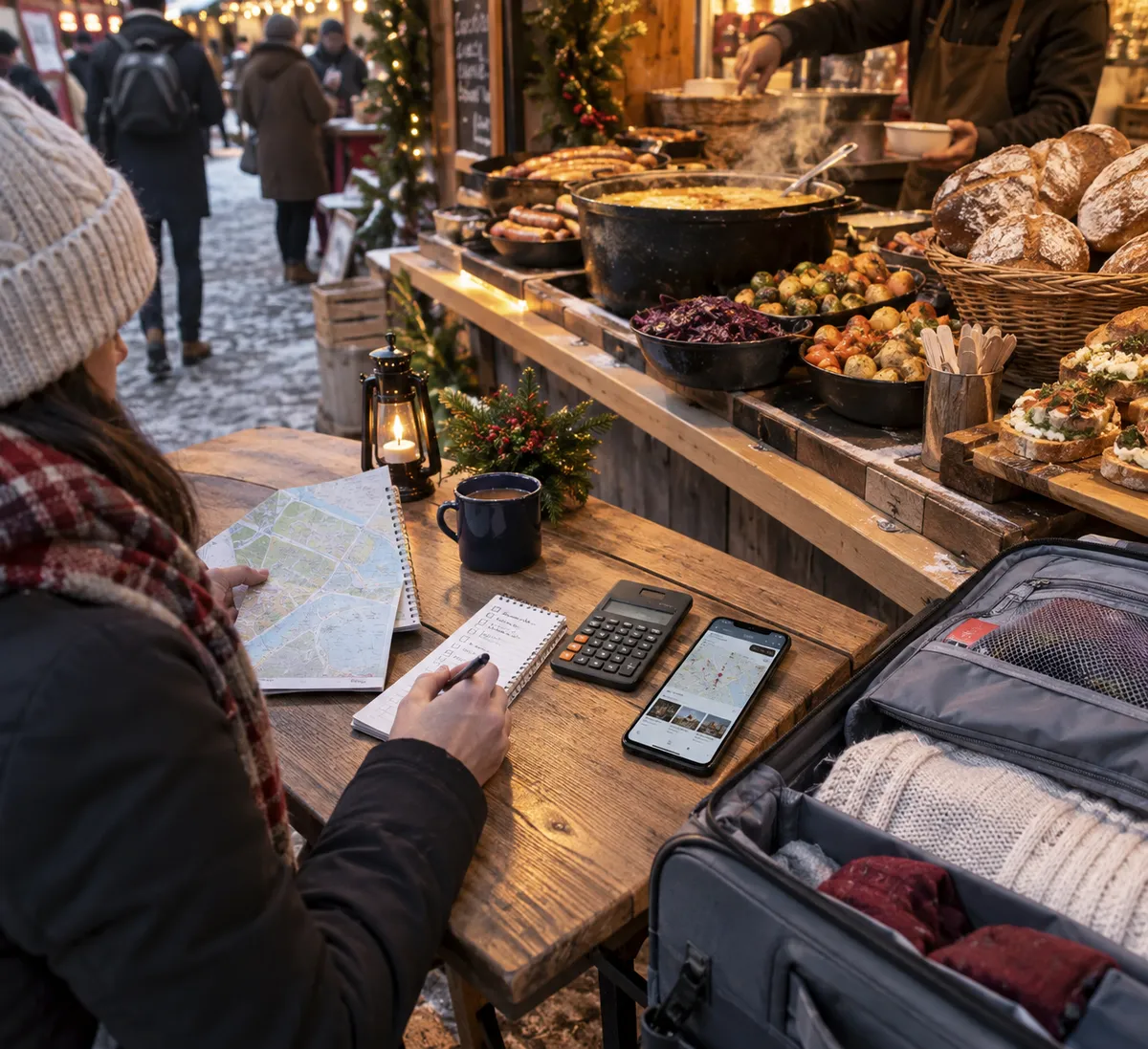
A sponsored travel-tips piece reported by CP24 features personal finance and travel expert Barry Choi, with advice for Canadians planning fall getaways, holiday trips and winter escapes. The details of his specific tips aren't spelled out in what's available, so this article doesn't put words in his mouth. It takes the themes the piece covers (early planning, rewards, and avoiding common holiday costs) and shows how to apply them to a trip built around eating well.
By the end, you'll have a simple booking checklist and a way to protect your food budget, which is usually the part of a trip worth spending on.
Why the next few weeks matter
Per the piece, Canadians are entering peak planning season for year-end travel, a stretch when prices, availability and reward options can shift quickly. That's the logic behind booking early: the longer you wait, the fewer choices you have, and the more likely it is that your only options are the expensive ones.
For food travelers, there's an extra reason. Seasonal dishes, holiday markets and festival weekends cluster at the same time of year, and the places that serve them fill up fast.
Step 1: Pick the dish, then the place
Start with what you want to eat. A food-led trip is easier to budget because it gives you a reason to say no to everything else.
- Choose one or two signature regional dishes you want to try.
- Look up where they're traditionally made and when they're in season.
- Build the trip around that destination, not the other way around.
This sounds simple, but it keeps you from booking a generic getaway and then scrambling for something memorable to eat.
Step 2: Book the big costs early
Flights and lodging are the largest line items and the ones most affected by shifting prices. Settle them first, then plan the fun part around what's left.
A quick booking checklist
- Confirm your travel dates, including any holiday-adjacent days that might cost more.
- Compare flights and accommodation before committing to either one.
- Check whether you can cancel or change each booking.
- Write down your total transport and lodging cost before you think about meals.
That last step matters. Once the fixed costs are on paper, the remaining budget becomes your food and activity money, and you can see it clearly.
Step 3: Check your rewards before you book, not after
Rewards are part of the planning conversation in the sponsored piece, which is tied to the Blue Rewards program. Whatever program you use, the habit is the same: look at what you have and what it can cover before paying cash.
Some questions to ask yourself:
- How many points or rewards do I have, and what do they cover (flights, hotels, or both)?
- Do any points or offers expire soon?
- Does the rewards price actually beat the cash price, or does it only look like a deal?
Check the program's own terms for current details. Rules and values change, and nothing here should replace reading them.
Step 4: Set a food budget you'll actually keep
Holiday travel tends to stretch spending, which is why budget advice is especially timely right now. Food is where trips quietly go over, usually through a pile of small impulse purchases.
Try this split:
- Anchor meals: Pick one or two meals you'll plan and book, such as a well-known local restaurant for the regional dish you came for.
- Everyday meals: Eat simply and locally. Markets, bakeries and casual counters often serve the most authentic food at the lowest prices.
- Flex money: Set aside a small amount for whatever surprises you, like a stall you stumble on or a festival snack.
Planning your splurge in advance means you enjoy it, instead of feeling guilty about it later.
Step 5: Watch for the common holiday costs
The piece highlights avoiding common holiday travel costs. Without guessing at which ones Choi names, here are the general places food travelers tend to lose money, based on common sense rather than his advice:
- Eating at the most convenient spot, such as the airport or the restaurant next to your hotel, because you didn't plan ahead.
- Booking a trip at the last minute because you waited for a better deal that never came.
- Spending points on something you could have covered cheaply, then paying cash for something expensive.
A short list of backups (a market, a bakery, a grocery store for snacks) takes ten minutes to make and saves you from all three.
A simple timeline
- Now: Choose your dish and destination. Check your rewards balance.
- This week: Compare and book flights and lodging.
- Before you leave: Reserve your one or two anchor meals and write down your market and bakery backups.
- On the trip: Spend your flex money on whatever looks best.
The takeaway
Open your calendar and your rewards account today, pick the dish you most want to eat this winter, and book the transport and bed for it first. Everything delicious comes easier once the expensive decisions are already made.