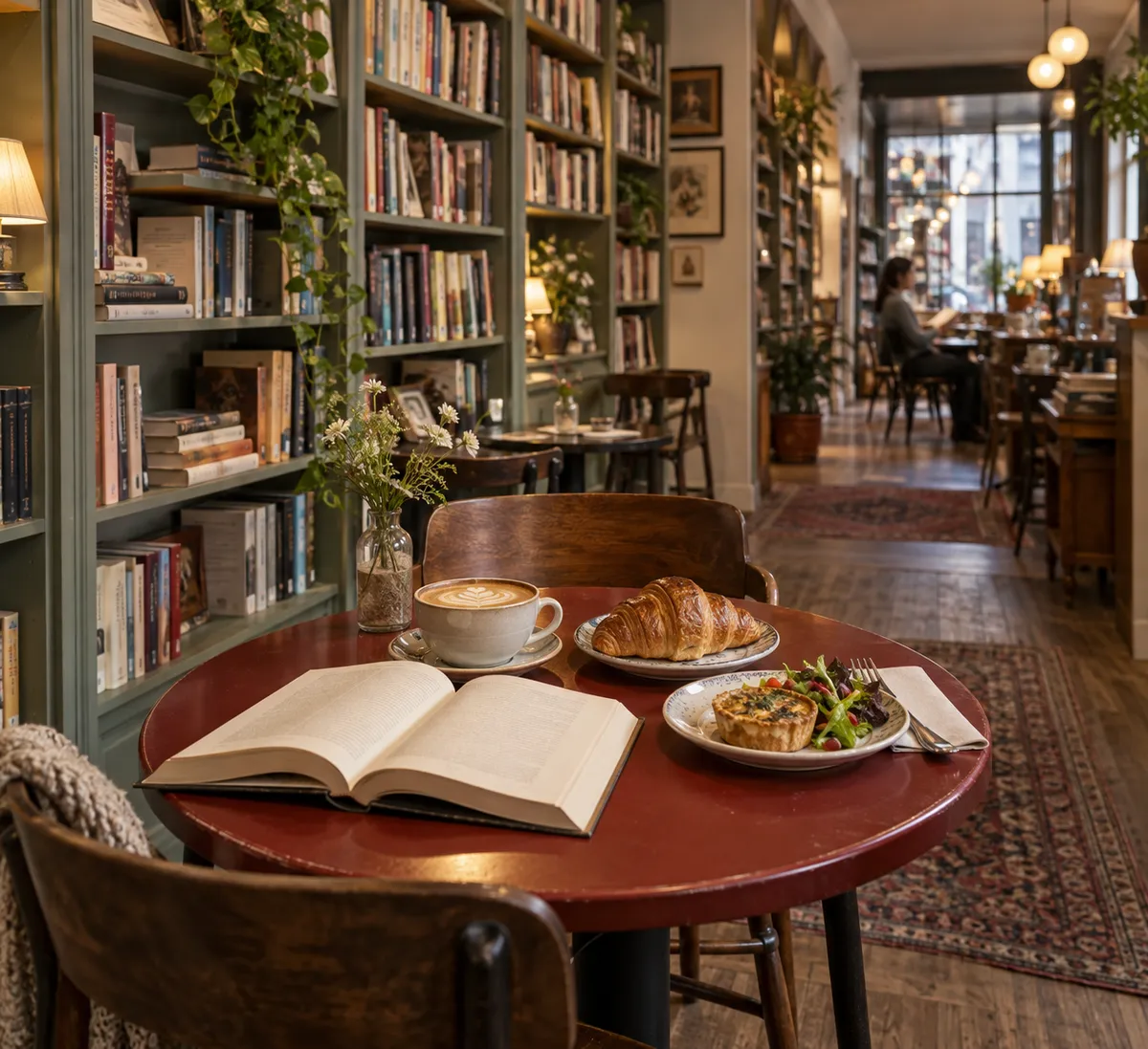
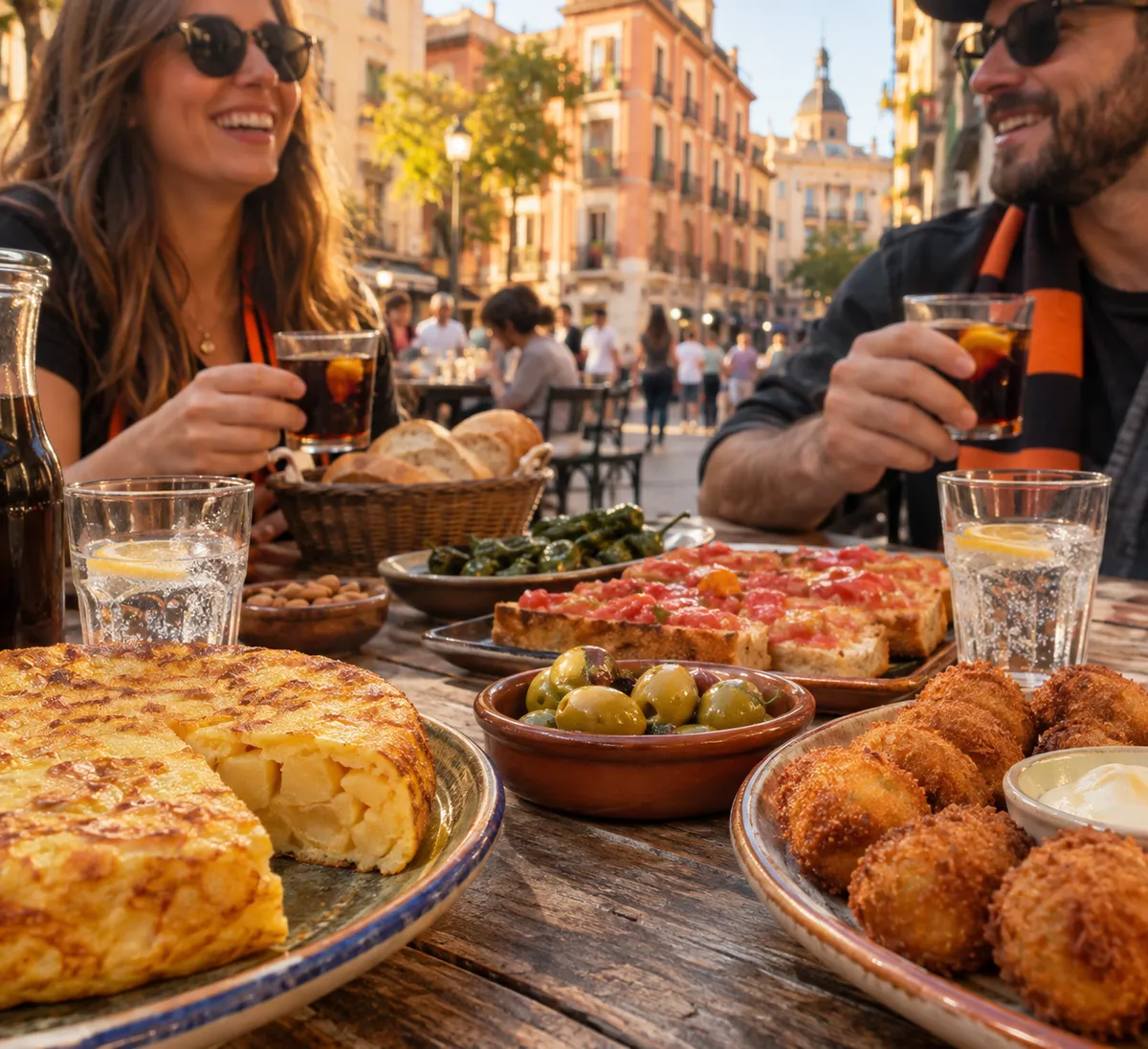
The Cincinnati Bengals play the Atlanta Falcons in Madrid on November 8, per Local12's report on travel tips for fans making the trip. The game is the reason you're going. The food is how you'll actually get to know the city. This guide gives you a food-first way to plan the weekend, built on well-known Madrid dining traditions, so you spend your time eating well instead of hunting for a table.
A note on sourcing: Local12's report frames the trip as a major fan experience and a chance to make the most of an international getaway. The details below about Madrid's food culture come from general culinary knowledge, not from that report, so confirm hours and reservations before you go.
Think in Small Plates, Not Big Meals
Spanish dining is built around grazing. Instead of one large sit-down dinner, locals often move between bars, ordering a drink and a small plate or two at each. For a game-weekend crowd, this works in your favor:
- It's flexible. You can eat in small waves around your travel and game schedule.
- It's social. Share plates with your group and try more dishes.
- It's forgiving. If one stop disappoints, you've lost very little.
Plan on two or three stops rather than a single reservation, and you'll taste far more of the city.
Dishes Worth Seeking Out
Madrid has a few signature dishes that are easy to recognize on a menu.
Cocido madrileño
This is the city's classic hearty stew, built around chickpeas, meats, and vegetables. It's traditionally a substantial meal, so treat it as the main event of your day, not a snack.
Bocadillo de calamares
A sandwich of fried squid on a crusty roll is a well-known Madrid street-food staple. It's cheap, quick, and easy to eat on the move before heading out.
Tortilla española
The potato-and-egg omelet appears at nearly every tapas bar. Order it as a baseline: if a place gets this right, the rest of the menu is usually worth trying.
Churros con chocolate
Thick hot chocolate for dipping is a classic Madrid treat. It fits a late night or a slow morning.
Adjust to the Local Clock
Spain generally eats later than most Americans are used to. Lunch tends to run well into the afternoon and dinner often starts late in the evening. Some kitchens close between meals, so if you're hungry at an off hour, a bar serving tapas or a bocadillo is your safest bet. On game day, eat a proper meal earlier than you think you need to, since stadium schedules and crowds can make getting food harder.
Eat Where the Locals Eat
A few simple habits help you avoid tourist-trap meals:
- Skip restaurants with photo menus out front.
- Look for bars with a busy counter and locals standing at it.
- Ask what's best that day instead of ordering by name alone.
- Order the house wine or a local beer rather than a familiar brand.
Budget Your Food Days
Food is one of the easiest places to control costs on an international trip. Small plates at casual bars let you set your own pace, and bocadillos make an inexpensive meal. Save a bigger spend for one standout meal, such as a cocido, rather than spreading money thin across several mediocre restaurants.
Build a Simple Weekend Plan
Here's a flexible template you can adapt around your flight and your game schedule:
- Arrival day: Casual tapas crawl and a tortilla to get oriented.
- Pre-game day: A late, relaxed lunch with a bocadillo or cocido, plus an early meal before heading to the stadium.
- Post-game: Celebrate or console yourself over churros and chocolate.
First-Timer Basics
If this is your first international trip, handle the basics early: check your passport, tell your bank you'll be traveling, and carry a bit of cash for small bars. Learn a few Spanish phrases like "una ración" (a larger shared portion) and "la cuenta, por favor" (the check, please). Servers will appreciate the effort.
The Takeaway
You'll remember the game for a few hours, but you'll remember the meals for years. Pick two dishes from this list, find a crowded counter, and order them before you leave Madrid.